
Specs and open recalls show up free, in seconds. Want the accidents, titles and mileage too? That's $5, and we show you the price first.
No account needed for the free check.
Four spots on the car, plus two documents. Start with the dashboard, it's the fastest.
See it before you buy it
Not a screenshot. Tap through an actual report, section by section.
No reported collisions, airbag deployments or insurance total-loss claims found for this VIN in the sources we checked.
Checked live against NHTSA's recall database for this exact VIN. Free on every check, no report purchase required.
Example shown for a 2022 McLaren 720S Spider. Specs and recalls above are real, live NHTSA data. Title, accident and mileage sections show illustrative numbers until Vindraft's licensed data providers are fully live.
Type the 17-character VIN, or a plate and state if that's what you have.
We decode the VIN with NHTSA and check it against title, accident and mileage databases.
Your car's name, model, photo and any open recalls show up right away. No email, no card, no account.
Want the title, accident and mileage history too? It's $5, price shown up front.
We don't dress up guesses as data. Here is what each source actually gives us, and every fact in your report is stamped with which one it came from and when we checked it. Two groups, one honest split: free from the government, licensed from commercial providers.
Decodes the VIN itself: year, make, model, trim, engine, plant and safety equipment.
Decodes the VIN itself: year, make, model, trim, engine, plant and safety equipment.
Decodes the VIN itself: year, make, model, trim, engine, plant and safety equipment.
The National Motor Vehicle Title Information System. Title brands, odometer readings and theft status, reported by states and insurers.
Reported accidents, damage severity and repair estimates from insurance and salvage-auction records.
Comparable listing and sale prices, adjusted for this car's condition, mileage and history.
NMVTIS does not yet cover every state in real time. Your report always lists which sources returned nothing, not just what they found.
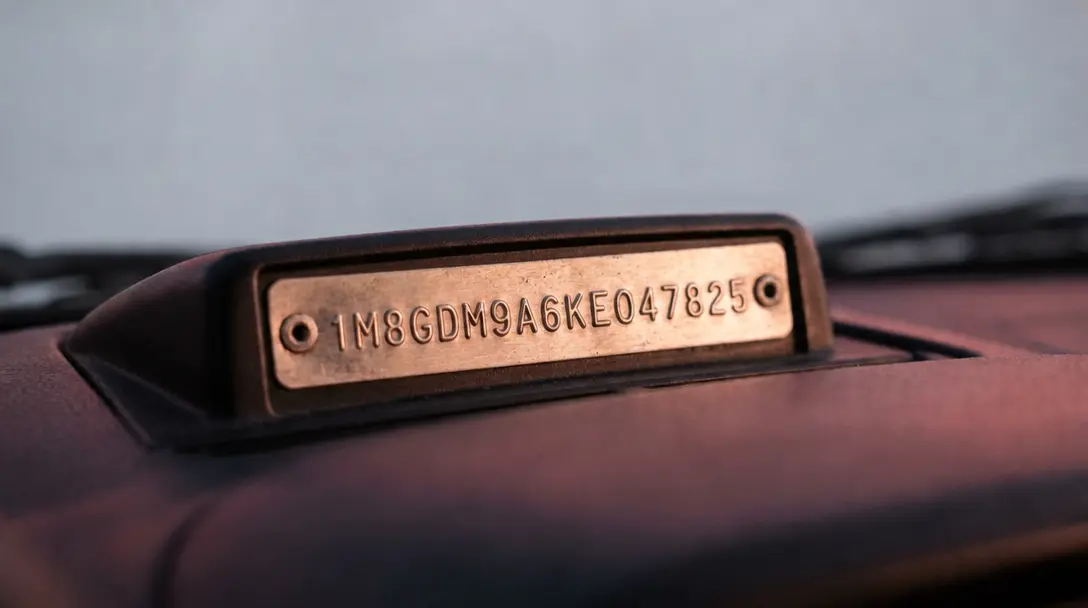
Names the maker and, often, the country the car was built in.
Body style, engine size and trim live here, read differently by every manufacturer.
Worked out from the other 16 characters using a fixed formula. A mismatch means the VIN was typed wrong or made up.
A letter or number code for the model year.
The plant where the car was assembled.
Combined with the first 11 characters, this is what makes the VIN unique to one car.
This 17-character format has been the US standard since 1981. Cars built before that often carry shorter, less consistent codes, so decoding tools built for modern VINs may not read them correctly. If you're buying a classic car, expect the free decode to return less, and rely more on the paper title.
A correct check digit only proves the VIN is well-formed. It confirms the pattern, not that a specific car with that VIN was ever built or titled. Only a state DMV or NMVTIS record proves that. That's why we always say "VIN check digit is valid," never "vehicle verified."
A license plate lookup finds the VIN behind a plate, then runs the same check as if you'd typed the VIN yourself. It works when the plate is currently registered in a state that shares that data with lookup services.
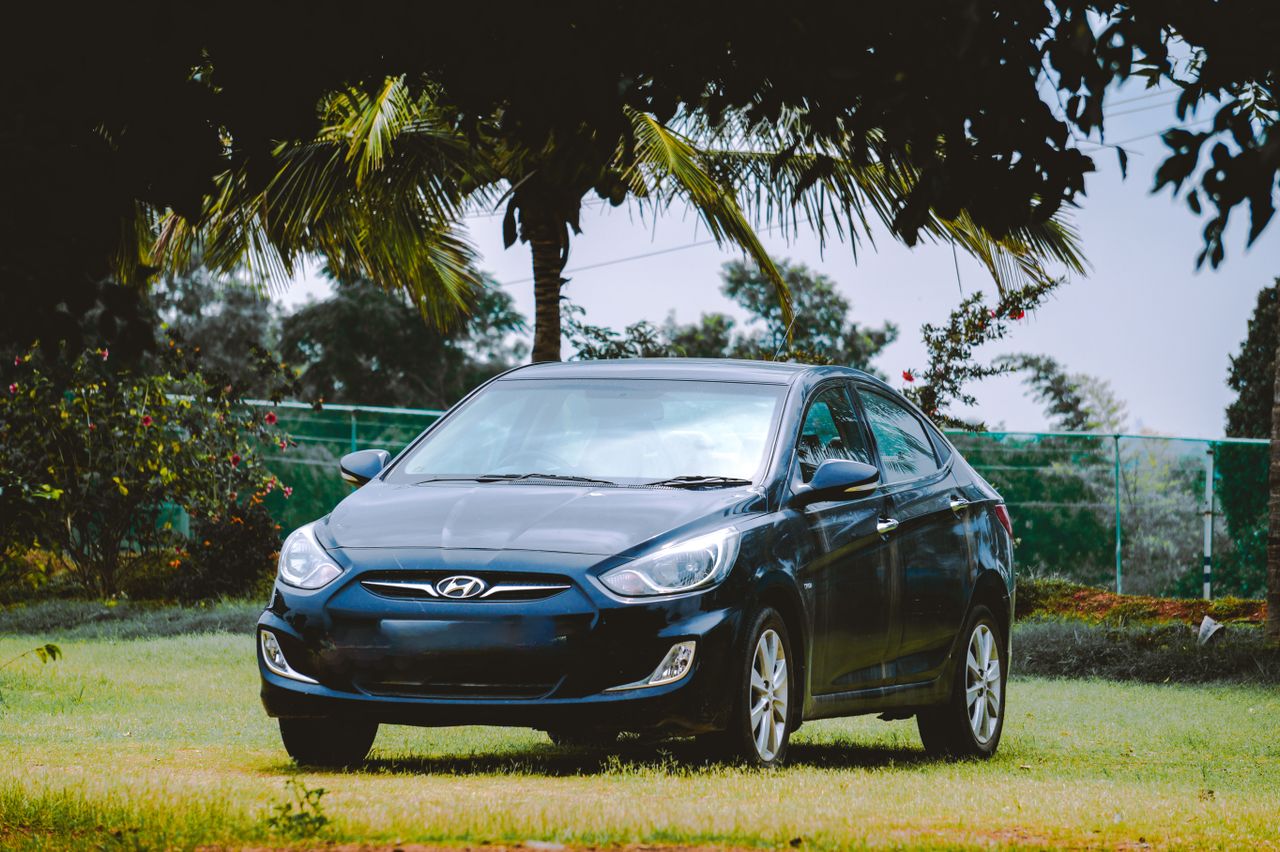
You're standing at a lot or a private seller's driveway with no way to see the dashboard or door jamb. A plate and state are often faster to read off the car than crouching down to find the VIN plate.
Temporary tags, dealer plates, very recent registrations and personalized plates in some states can fail to resolve to a VIN right away. If a plate search comes back empty, the VIN itself always works.
A plate is tied to whoever registered the car most recently, in one state. A VIN is tied to the car itself, for its entire life, in every state. When you have both, the VIN is always the more reliable one to search.
These are the records that change what a car is really worth, and the ones a plain VIN decode can't show you.
A salvage title means an insurer paid the car off as a total loss; a rebuilt title means it was repaired and passed inspection. Either brand can knock thousands off the value, and some sellers move a car across state lines to hide it.
Flood cars get cleaned up and resold, often across state lines, with no flood brand attached. Water damages wiring in ways that surface months later, look for a musty smell, mismatched carpet, or a fogged gauge cluster.
Rolling back an odometer to make a car look newer is federal fraud, but it still happens, especially with older cars sold privately. A mileage history with several readings is the clearest way to catch one that drops instead of rises.
A theft-recovered car was reported stolen, then found, and can go back on the market once cleared. Recovered cars sometimes have replaced parts or forced-entry damage, so a theft check tells you if the VIN was ever flagged.
A bent or cracked frame is a different problem than a dented door. It can affect handling and crash protection, and uneven panel gaps or fresh undercoating are signs to look for.
A lien means a lender has a legal claim on the car until the loan is paid off. Buying one active can put you in a dispute over who actually owns it, so always ask for a payoff letter first.
Check the VIN before you commit. It takes 30 seconds and the first check is free.
A history report tells you what happened to a car on paper. It can't tell you how the car drives today. Bring this list with you.
Five minutes with the car, before you hand over money
Takes 60 seconds, catches a swapped or cloned VIN plate
A mismatch doesn't always mean fraud, but it's a reason to walk away and ask questions before you buy, not after.
For anything over a few thousand dollars, get a pre-purchase inspection. An independent mechanic charges $100–$200 for it. It's the one check a report, or a seller, can't do for you.
Salvage titles, flood damage and rolled-back odometers do not announce themselves. That is the whole reason a history check exists: so you find out before you sign, not after. A report costs less than a tank of gas. The wrong car costs a lot more than that.
That's not a trick. Title brands, accidents, mileage and ownership only exist in paid, licensed data. Here's exactly where the free line ends.
Enough to confirm it's the right car
Records that only NMVTIS and licensed data providers hold
per report
What's in a report

Every owner we found, how long each kept the car, and every title, registration and lien event on record for this VIN.
Reported accidents and damage, mapped onto a diagram of the vehicle so you can see where it was hit and how bad it was.
Readings charted over time, so rollbacks and unexplained gaps stand out instead of hiding in a table.
Free, live NHTSA recall data for this exact VIN, split from unrelated aftermarket-part recalls.
What other owners of this exact model and year have reported directly to NHTSA, not verified, but worth knowing.
A value range adjusted for this car's condition, mileage and history, not just its year and trim.
Whether this VIN has ever been reported stolen, repossessed, or branded salvage, junk or flood.
One number, with the exact formula behind it published in full, plus a printable checklist to take with you.
Most reports dump every table at once and let you find the important part yourself. Ours leads with the answer, then backs it up.
The record a seller hopes you never pull. Reported accidents and damage, mapped onto a diagram of the vehicle so you can see where it was hit and how bad it was.
Every owner we found, how long each one kept the car, and every title, registration and lien event on record for this VIN.
Readings charted over time, so rollbacks and gaps stand out.
Free NHTSA recall data, split from unrelated aftermarket-part recalls.
Past asking prices and listing dates, where they exist.
A value range adjusted for this car's condition and history.
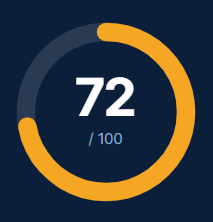
No black box. The score above is a formula, not a guess, run on an example car. We publish the exact formula in full on our methodology page. Here are the six things that fed into it.
No single row here is "the" score. A report that gives you one number and skips this breakdown hides the part that actually helps you: which specific thing is dragging the score down, and by how much.
Carfax, AutoCheck, Bumper, and the rest mostly pull from the same NMVTIS core data. The real differences are price, honesty about that price, and how easy the report is to actually read.
| Provider | Starting price | Price shown | NMVTIS | Best for |
|---|---|---|---|---|
| Vindraft | $5or $1 / 7 days | Yes | Applying | A clear price and a plain-English report |
| Carfax | $44.99one-time | Yes | Own data | Dealer service records |
| AutoCheck | $29.99one-time | Yes | Own data | Auction history, AutoCheck Score |
| Bumper | $17 days, then $27.99/mo | Yes | Yes | Mobile app, monitoring and alerts |
| VinSeeker | ?not shown on site | No | Disclaimer only | Report visuals, if an unlisted price is fine |
| EpicVIN | $24.99one-time | Yes | Yes | Dealer inventory checks |
| ClearVin | ~$15.99one-time | Yes | Yes | Lowest price, fewer extras |
Scroll sideways on mobile · click "Starting price" to sort
Tap a row to see it highlighted · scroll sideways on mobile · click "Starting price" to sort
None of this means every provider is interchangeable. Carfax's dealer service records and AutoCheck's auction history are real strengths, built on data those two companies own outright and nobody else can copy. What we're saying is simpler: for the core title, accident and mileage data most buyers actually need, the underlying records are largely the same across the industry. Where providers genuinely differ is what they charge, whether they show that price before you pay, and how easy the report is to read once you've paid for it.
The price is on this page. Every fact in your report has a source and a date next to it. When a database returns nothing, we say so instead of staying quiet about it.
Reports open with a plain-English verdict, not a wall of tables. Written so a normal buyer can read it in about 90 seconds, standing next to the car.
Free government data and paid deep history, in one place. The free tier is genuinely useful on its own, not a locked screen dressed up as a preview. You could stop after the free check and still walk away knowing more about the car than you did before you started.
A VIN check looks up a car's 17-character vehicle identification number against government and commercial databases. It tells you the car's specs, and can show open recalls, title brands, accidents, mileage history and past owners, depending on what records exist.
The free part of a Vindraft check pulls live from NHTSA, the US government's own vehicle database. It is accurate for the car's name, model, photo and open recalls. It does not include title, accident or mileage history, because NHTSA does not hold that data.
The free check shows the car's name, model, photo and open recalls from NHTSA. The full report adds title brand history, accident and damage records, past owners, odometer readings and a market value estimate, sourced from NMVTIS and licensed data providers.
A single report is $5, one time, for the car you looked up. Or start a 7-day trial for $1 and get up to 30 reports, then it's $29.95 every 28 days until you cancel. Both prices are shown before you pay, right on this page.
Your card is charged $29.95 on day 8, then every 28 days, until you cancel. We email you a reminder before the first charge. You can cancel any time with one click, from your account or the cancel page.
Go to your account and click cancel, or use the public cancel page. It takes one click. You don't need to call anyone or talk to a retention agent. You get a confirmation email right away.
Card payments are processed by Stripe, not stored on Vindraft's own servers. Checkout runs over an encrypted connection. We never see or store your full card number.
Most providers, including Vindraft, pull from the same core NMVTIS and NHTSA data. The real difference is price and honesty. Vindraft shows its price on this page, gives real free data instead of a teaser, and tells you what it did not find, not just what it found.
No. A clean report means no records were found in the databases we checked. Cash repairs, unreported accidents and some state records never make it into any database. Always pay for an independent inspection before you buy.
Most often it means that database has nothing on file for this VIN, not that something went wrong. Some states report to NMVTIS slower than others, and cash repairs never enter any database. We always say when a source came back empty, instead of leaving that part of the report blank.
Coverage depends on which states share plate-to-VIN data with lookup providers, and that list changes over time. If a plate does not resolve, use the VIN from the dashboard or door jamb instead. The VIN always works, no matter what state the car is registered in.
Not yet. Vindraft currently covers standard passenger cars and light trucks. Motorcycle, RV, ATV and boat checks use different identification systems and are on our roadmap.
Vindraft is built for the US market. Our free decode and full report both rely on US sources, including NHTSA and NMVTIS, which don't cover vehicles first sold and titled outside the United States.
Type the VIN below. Specs and open recalls show up free, in about 30 seconds. No account, no card.
No VIN handy? Search by license plate instead